


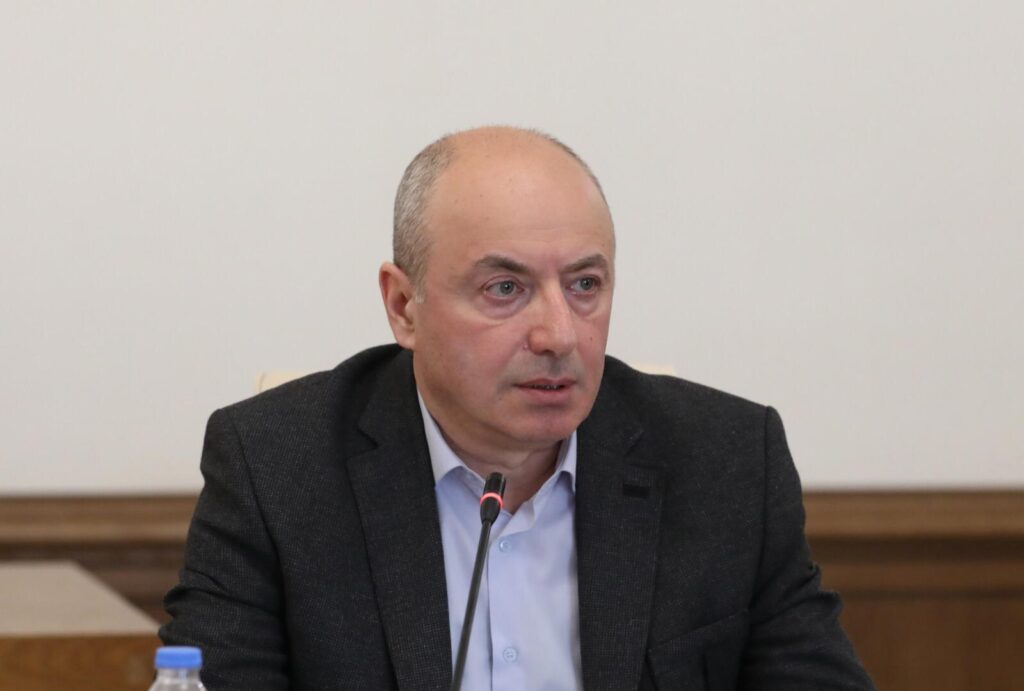
“The commission’s findings fail to address the challenges that the authorities themselves identified late last year,” stated Guram Macharashvili, an MP from the People’s Power (Sila Naroda) party, commenting on the final report of the interim parliamentary commission on price studies.
“The discussions centered on cartel agreements, which imply a lack of healthy competition and, consequently, high prices for certain products. It was also noted that prices in Georgia are significantly higher than in Europe. However, several months later, we do not see these issues reflected in the commission’s conclusions in terms of their implementation.
There are certain conclusions at the level of general concepts—regarding the creation of a regulator, long-term policy, short-term prospects, and the development of competition—but there is no specificity. This means the document is more academic in nature. Parliament, however, is not a scientific institution; it is a political body that must provide the executive branch with specific tasks and then demand their fulfillment.
In these findings, we did not even see who should be held accountable in a month or two, or whether the executive branch has any plan at all to solve these problems. The document does not specify the timeframe within which the government must respond. In essence, it is more of a wish list, whereas both society and we have a genuine desire to regulate prices,” Macharashvili stated.