



Georgia is launching a major phase of the Georgian Railway modernization. Mariam Kvrivishvili, the Minister of Economy and Sustainable Development, stated that the company plans to acquire up to 50 locomotives and 1,500 wagons. Capital repairs are already underway for five passenger trains, alongside the rehabilitation of passenger stations and platforms.
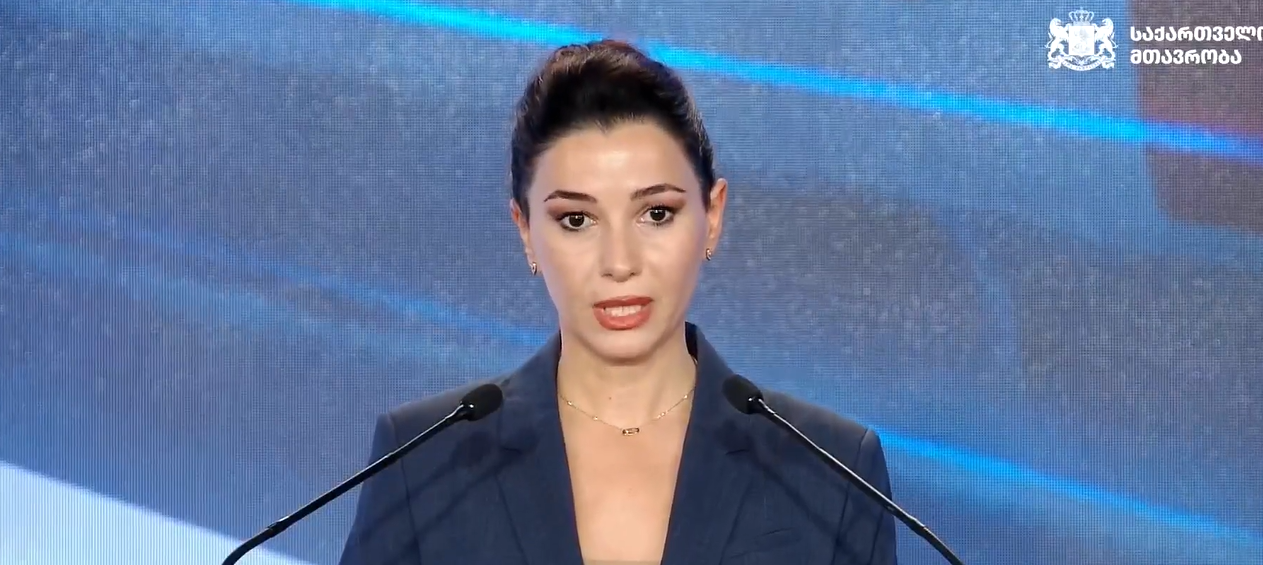

As part of the “Historic Renewal” project for Georgian Railway, the infrastructure and rolling stock are set to be updated, which is aimed at strengthening the country’s transport and logistics potential.
The Minister announced that new routes will soon be added to existing services: Tbilisi–Kutaisi–Tbilisi and Tbilisi–Akhaltsikhe–Tbilisi.
Starting from the summer season, trains will transport passengers from Tbilisi to Batumi in four hours.
Plans also include the restoration of the Borjomi–Bakuriani railway line — the so-called “Kukushka” (a historic narrow-gauge train) is expected to begin serving passengers in January of next year.
The Minister noted a reduction in the operational and administrative expenses of Georgian Railway under its new management. Total savings exceeded 230 million GEL (approx. $85 million), while the company’s net profit grew by approximately 30% over the past year.
“Significant progress has also been recorded in terms of profitability: the operating profit margin increased from 25% to 36%, and the throughput capacity of the main railway line rose by 30%.
At the same time, the transit time across the country has been reduced by 20%. Substantial progress has been achieved in digitalization — thanks to cooperation with China, Kazakhstan, and Azerbaijan, the time for border procedures has been reduced by 7.5 times,” the presentation stated.
Kvrivishvili stated that Georgia is ready to take on responsibility as a partner that guarantees stability and quality. As a result of active international cooperation with Azerbaijan, Central Asian countries, and China, the “Middle Corridor” project is already emerging as a viable and competitive alternative in global trade.
“Simultaneously, as a result of successful negotiations with China, Kazakhstan, and Azerbaijan, services have been digitized, and border procedure times have been reduced by 7.5 times (from 15 to 2 hours),” the Ministry of Economy noted.