



Simon Rovensky, a 22-year-old Canadian citizen, was detained in Georgia during a trip with a friend. At the border, authorities found medication previously prescribed to him by a doctor in his home country to treat ADHD.
This medication is banned in Georgia, where it is classified as a narcotic substance, and importing it requires a prescription translated into Georgian. There are also limits on the quantity allowed. Rovensky did not have a translated prescription, which is why he did not declare the medication at the airport.
His family, who live in Vancouver, claim that the young men were interrogated for several hours and subjected to an invasive personal search. Their phones were confiscated, cutting off communication with their relatives. Since Rovensky’s friend was not carrying any medication, he was released after a few hours, while Rovensky himself was sent to Gldani Prison.

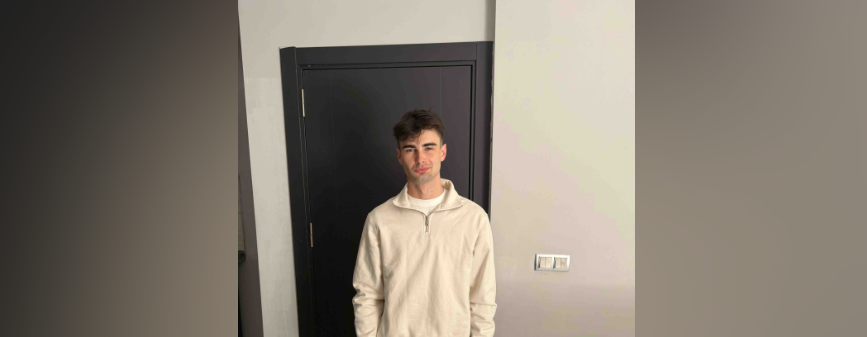
The Canadian citizen was charged with smuggling and illegal possession of narcotic substances. He could face between 8 and 20 years in prison, with his trial already scheduled for June 25.
The young man is currently being held in custody without his family’s support, permitted only limited phone calls and brief visits.
According to the Canadian citizen’s family, they are in a difficult financial situation. Legal fees cost around $7,000, and potential fines could run into tens of thousands of dollars. The defense notes that in such cases, release and deportation are sometimes possible after paying a fine.
The young man’s mother is raising three children on her own; Rovensky is the eldest child and only son. The father of the family passed away when Simon was 10 years old.
The Rovensky family turned to the Canadian Embassy for help, but were told that the embassy cannot intervene in judicial proceedings. The family members are now trying to raise funds for legal defense and potential fines, hoping to secure their son’s release and return home.