





It is no exaggeration to say that leadership at the State Security Service of Georgia (SSG) changes more frequently than a restaurant’s seasonal menu. On Monday, SSG head Geka Geladze tendered his resignation, marking the fourth departure from the post in just eighteen months. A successor to Geladze has already been appointed, but if recent trends are any guide, the likelihood of him staying for long is exceptionally slim.
Geladze announced his departure on social media, customarily showering the ruling party’s founder, Bidzina Ivanishvili, with gratitude and pledging to continue his service “in another department.” Geladze had arrived at the SSG from the Ministry of Internal Affairs, where, by all accounts, his career had fared far better.
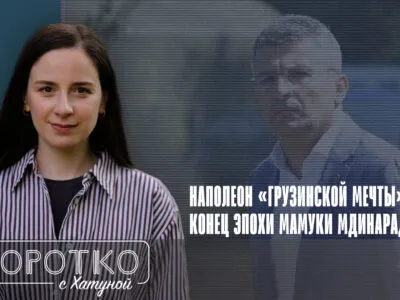
The leadership carousel within the Georgian security apparatus began in the spring of 2025, following the resignation of Grigol Liluashvili, who had helmed the agency for nearly six years. He is currently under arrest on bribery charges. Following Liluashvili’s exit, the post became a game of musical chairs: Anri Okhanashvili lasted less than five months, and Mamuka Mdinaradze served fewer than eight. Geladze held out for just over four months.
Established in 2015, the State Security Service is under the direct oversight of the government. It is the country’s primary intelligence and security agency, tasked with counterterrorism, protecting the constitutional order, and safeguarding economic stability. In 2025, the foreign intelligence mandate was also integrated into the SSG, turning it into an even more formidable institution. The head of the SSG is elected by parliament to serve a six-year term.
The agency has perennially been mired in scandal. One of the most infamous was the massive intelligence leak in 2021, which revealed that the security services were illegally wiretapping not only journalists, politicians, and civil activists, but also Western diplomats and even members of the clergy. The SSG faces frequent criticism for devoting its resources to political surveillance and domestic control rather than pre-empting external threats.
Government critics argue that the State Security Service has grown so politicized and beholden to a specific chain of command that professional governance has been completely sidelined. Observers have therefore tied Geladze’s resignation to the dismantling of the Kobakhidze-Mdinaradze clan. This view is further supported by the simultaneous departures of the heads of the Investigation Service and the Revenue Service under the Ministry of Finance, both reportedly close associates of Mamuka Mdinaradze.
Frequent turnover at the helm of an agency of this stature cannot be treated as mere routine, analysts warn. It presents an immediate threat to national security. Instability at the top of the SSG leads to paralysis in day-to-day operations, derails long-term counterintelligence initiatives, and increases the risk of classified leaks. In the end, rather than safeguarding the nation, the country’s paramount security body has been reduced to a bargaining chip in intra-party feuds.