


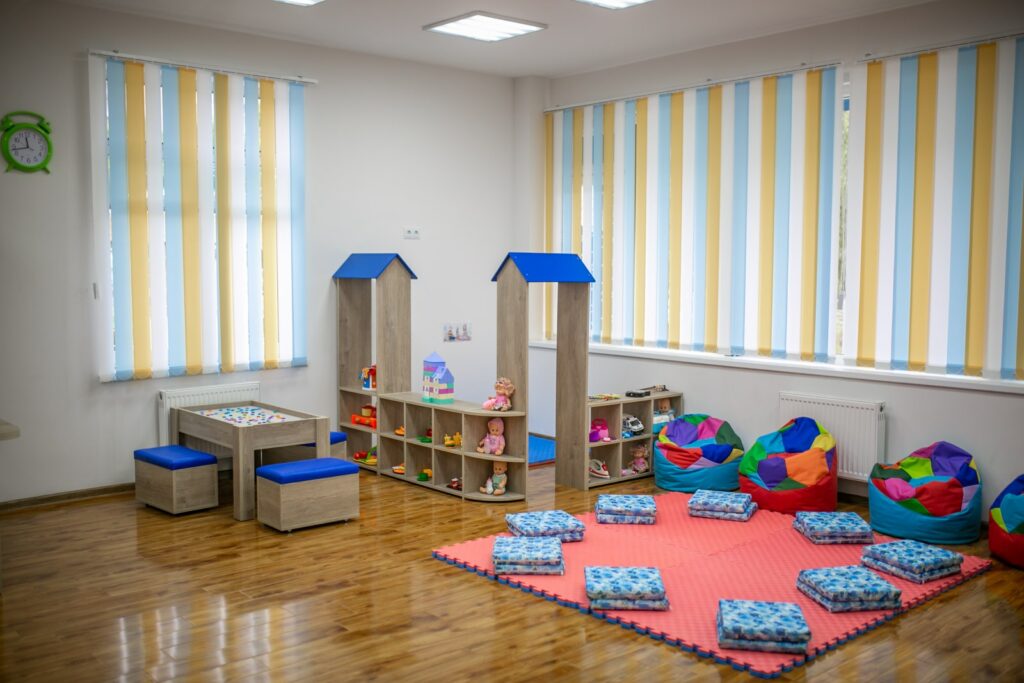
The National Center for Disease Control and Public Health of Georgia (NCDC) has issued a statement regarding the cases of intoxication recorded in Tbilisi kindergartens.
“Laboratory test results indicate that the vast majority of cases were, with a high degree of probability, caused by norovirus… Norovirus is an infection characterized by vomiting, abdominal pain, diarrhea, and, in some cases, elevated body temperature. It is not life-threatening, and the body typically overcomes the infection on its own within 1–3 days. Treatment is focused primarily on maintaining fluid and electrolyte balance.
Crucial factors in managing norovirus include: proper hydration and replenishing lost fluids; dietary adjustments—eliminating dairy products, fatty, fried, and spicy foods from the diet for at least 3–4 days; and taking antidiarrheal and antiemetic medications strictly as prescribed by a doctor.
In addition, to prevent the spread of norovirus, strict hygiene must be observed—washing hands with soap and water for at least 20 seconds and disinfecting contaminated surfaces,” the NCDC statement reads. Specialists also noted that testing and laboratory research are still ongoing.
The statement emphasizes that at this stage, the clinical course of the disease is “favorable, none of the cases has resulted in severe or health-threatening complications, and the majority of children are already recovering and will soon return to their regular daily routines.”
As previously reported, symptoms of food poisoning were identified in several dozen children and one educator across 20 kindergartens and nursery schools in Tbilisi. Consequently, more than 100 children were hospitalized. An investigation into the intoxication has been launched under Part 2, Article 198 of the Criminal Code of Georgia, which establishes liability for the production or sale of goods hazardous to human life or health that resulted in creating a threat to human life or health.