


Russia is expanding its embargo on Georgian wine. Three more companies have been added to the ban list: GWS-Wine-Company, Château Mukhrani, and Winiveria.
This was reported by the news outlet Business Press News, citing Mamuka Pipia, leader of the pro-Russian movement “Solidarity for Peace.”
According to Pipia, the corresponding legal act will be published in the near future.
“It is a regrettable fact, and this is merely the first wave—two or three more are still to come. The sanctions cover more than 40 companies: so far they have only affected mineral water, beer, and alcohol, but moving forward, this process will also extend to agricultural produce,” he stated, stressing that “as early as July, he had warned about the preparation of sanctions against more than 40 of the largest companies.”
Pipia also explained that the shareholders of Marussia Beverages Georgia (the producer of Château Mukhrani brandies) are Patrick Hoden and Elena Nadibaidze.
“These individuals previously served as directors of the ‘Reconstruction of Ukraine’ foundation and were also noticed financing the Ukrainian authorities.”
As for Winiveria, the leader of the pro-Russian movement claimed that the company directly funded the Armed Forces of Ukraine.
“Winiveria held an auction in Ukraine, and the proceeds from that auction were funneled directly to the Armed Forces of Ukraine; the company was financing the Ukrainian army.”
Back in July, Mamuka Pipia asserted that certain companies had funded radical protest actions and were implicated in Russophobia. “Russia decided to inspect these entities and draw up a kind of ‘red list.’ Over 40 enterprises—leading representatives of Georgian business—were placed on it.”
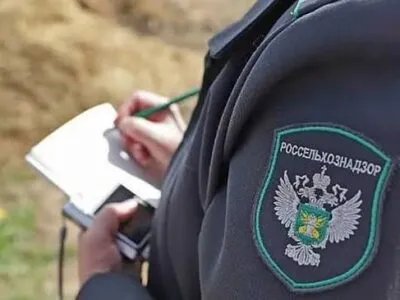
As a reminder, on October 9, 14 years after the market was reopened, Russia imposed an embargo on several Georgian producers of wine, mineral water, and non-alcoholic carbonated beverages. Once again, the official justification cited non-compliance with sanitary standards.
Russian Foreign Ministry spokeswoman Maria Zakharova stated that the decision was dictated solely by product safety requirements and carried no political undertones. Representatives of the ruling Georgian Dream party said they intend to examine the situation in detail.
As of 2025, Russia accounted for 10.3% of Georgia’s total exports, 20.8% of domestic exports (excluding re-exports), and 36.8% of agricultural deliveries. In the wine export structure, dependence on Russia reaches 64%, and for spirits, 56%. Russia also imports more than 80% of certain varieties of Georgian fruit.