


Following the circulation of footage showing animal burial grounds, the Ministry of Internal Affairs of Georgia has opened an investigation under Article 259 of the Criminal Code. The offense under this article covers torture, cruel treatment, or other forms of violence against animals.
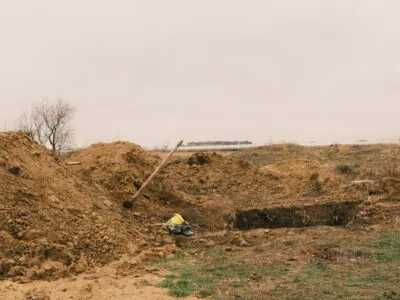
Earlier, the TV Pirveli channel aired footage showing, according to the report, dog remains being buried at night on the grounds of the Veli cemetery near Tbilisi. Following the release of the journalistic investigation, animal rights activists launched a petition urging the Prosecutor’s Office of Georgia to investigate the matter.
The authors of the petition also pointed to citizen reports of suspicious dog disappearances across the country. According to them, a comment can be heard on the video recording noting that the body of one of the dogs was still warm.
“This circumstance in itself does not confirm the cause of death, but it raises serious questions regarding the circumstances of the animals’ deaths, as well as the legality and humanity of the euthanasia procedures,” the petition reads.
The Animal Monitoring Agency of the Tbilisi City Hall categorically rejected allegations of mass and deliberate extermination of dogs, stating that the footage captures a legally permitted process and that the site itself is designated for burying the remains of animals that have died in Tbilisi due to various causes.
According to the agency, the burial site is used for the remains of dogs that died from diseases, traffic collisions, and other accidents, as well as those that died of natural causes.
“Particularly outrageous is the slander alleging that live, deliberately euthanized dogs were placed in this burial site, which is an outright lie and disinformation,” the agency stated.
The agency also responded to instances of citizens excavating burial pits and removing remains. Specialists assessed such actions as illegal and a threat to sanitary safety.
The agency stressed that the unauthorized opening of burial sites and the relocation of remains could lead to biological contamination and pose a hazard to public health and the environment.