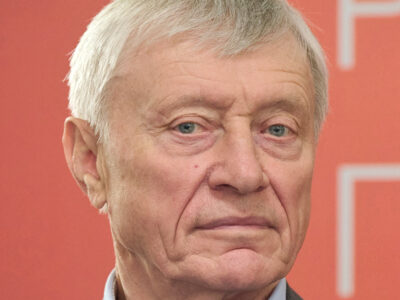

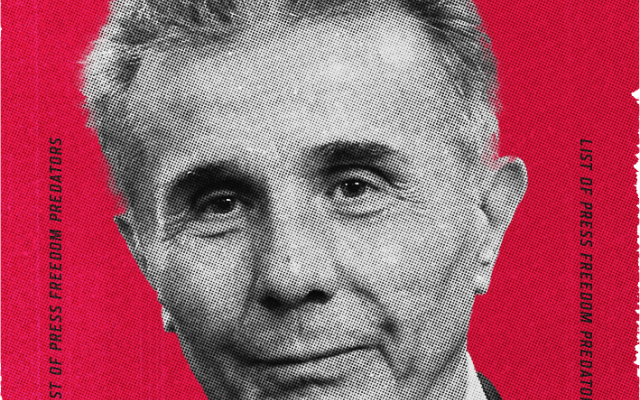

The international organization Reporters Without Borders (RSF) has published a list of 33 politicians, companies, and organizations that, according to its researchers, obstructed the work of journalists and restricted media freedom in 2026. The roster includes Bidzina Ivanishvili, founder and honorary chairman of the ruling Georgian Dream party. He was categorized under economic pressure on independent media.
In Ivanishvili’s profile, RSF describes him as a billionaire, former prime minister, and founder of Georgian Dream who, despite holding no formal public office, continues to exercise decisive influence over the government. According to the organization, his business empire and network of influence allow him to control a substantial portion of Georgia’s media landscape, including through the pro-government television networks Imedi and Rustavi 2.
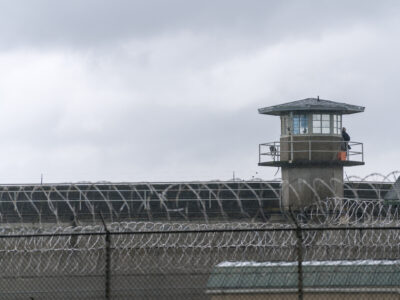
Among RSF’s primary grievances against the Georgian authorities are the continued detention of Batumelebi founder Mzia Amaglobeli, the passage of laws restricting foreign funding for independent outlets and their supporting organizations, and mounting pressure on the Formula and TV Pirveli television channels. The organization notes that the broadcast regulator has imposed sanctions against them, including bans on specific phrasing critical of the authorities. RSF also highlights the growing number of legal proceedings against journalists and the tightening of restrictions on parliamentary accreditation.
Taken together, Reporters Without Borders argues, these measures cultivate an environment in which it is increasingly difficult for independent media to operate. In Ivanishvili’s case, the organization identifies his business empire as the principal lever of pressure.
The press freedom situation in Georgia has also deteriorated according to RSF’s own metrics. In the 2026 World Press Freedom Index, the country dropped to 135th place out of 180, down from 114th the previous year. The organization attributes the slide to government interference in media operations, harassment of journalists, restrictive legislation, and an escalation of physical violence against media workers.
The 2026 list features figures from a wide range of countries and sectors. Reporters Without Borders categorized them across five areas: political pressure, violence and persecution of journalists, legal harassment, economic pressure, and discrediting the media.
Azerbaijani President Ilham Aliyev also represents the South Caucasus on the list. RSF characterizes the country’s media environment as one where critical voices are systematically crushed, and independent newsrooms are shuttered or forced into exile. The organization points to arrests of reporters, criminal convictions of Toplum TV staff, and tightening state control over the media sector. RSF identifies institutionalized censorship as the primary tool of repression in Azerbaijan.
The Russian section of the list includes President Vladimir Putin and RT Editor-in-Chief Margarita Simonyan. Regarding Putin, RSF cites the mass arrests of reporters, the crackdown on independent newsrooms, and escalating pressure on exiled Russian journalists. In Simonyan’s profile, the watchdog emphasizes the dissemination of Kremlin war propaganda, the overseas expansion of RT and Sputnik, and campaigns designed to smear and discredit independent investigative reporting.
Turkish President Recep Tayyip Erdogan is listed under the category of legal pressure on journalists. RSF emphasizes the use of criminal prosecutions against media professionals, including indictments for insulting the president and disseminating “false information.”
US President Donald Trump was included on the list for the first time. RSF accuses his administration of attempting to assert political control over state media outlets, pressuring critical newsrooms, limiting journalistic access to the White House, and mobilizing government institutions to penalize independent media.
Reporters Without Borders stresses that the list is not a country ranking: it spotlights specific individuals and entities whose actions, in the authors’ assessment, inflicted significant damage on press freedom throughout the year. The compilation is intended to demonstrate the spectrum of methods deployed to stifle journalism—ranging from physical violence and incarceration to economic leverage, judicial harassment, and propaganda.