


Starting this September, Georgian schools are operating under new rules. Primary school pupils will be required to wear uniforms, hand in their phones and smartwatches to dedicated storage lockers, while high schoolers face a new educational model, and schools gradually transition to standardized textbooks. At the same time, the grading system, curricula, and teacher qualifications are all undergoing reform. Many of these decisions were adopted back in 2025, but it is only now that the changes are directly transforming the everyday lives of pupils.
Uniforms
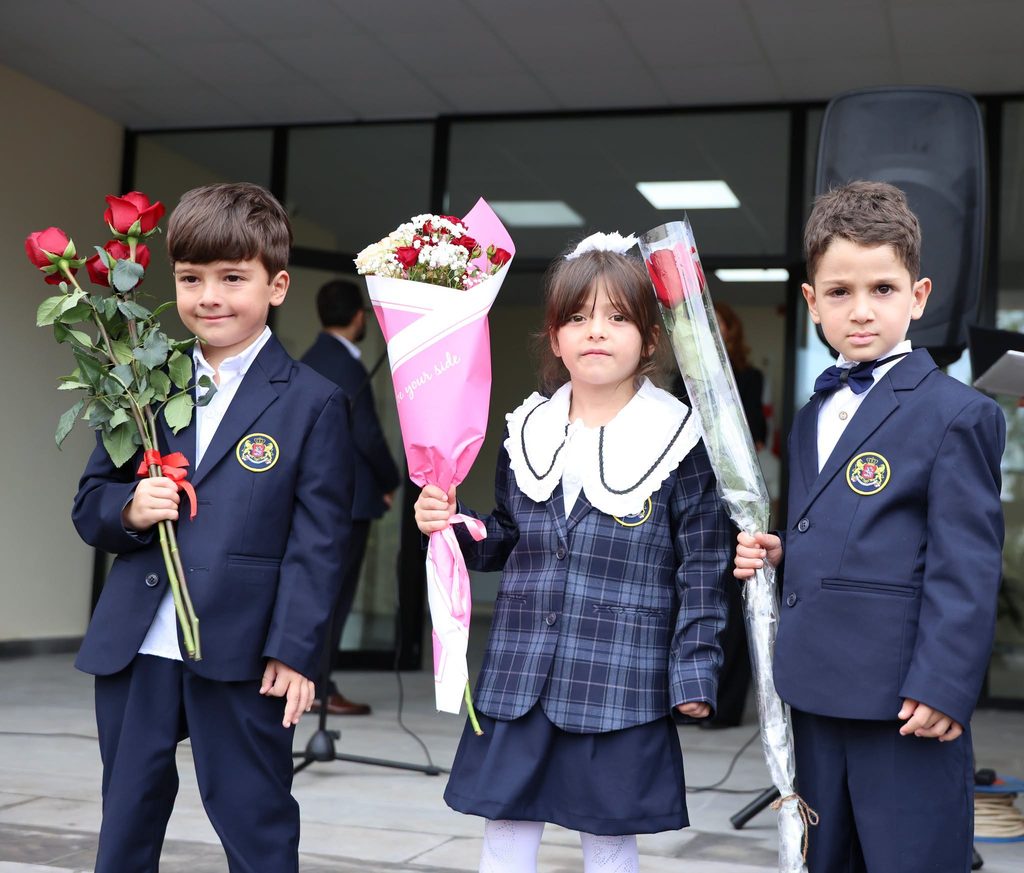
One of the most noticeable changes of the new school year is the introduction of mandatory school uniforms for public school pupils in grades 1 through 6. In the spring of 2026, the Ministry of Education approved its design, and by the summer it announced the completion of the procurement process.
For most families, the uniform will come at a cost. A complete set will cost 95 GEL (around $35): a blazer costs 45 GEL, and trousers or a skirt cost 25 GEL each. The set for boys includes a blazer and two pairs of trousers, while the set for girls comprises a blazer, trousers, and a skirt.
Uniforms will be provided free of charge to children from socially vulnerable families, participants in the state foster care program, children residing in homeless shelters, residents of small family-type and foster homes, as well as Ukrainian pupils who are unable to continue their studies at home due to the Russian invasion.
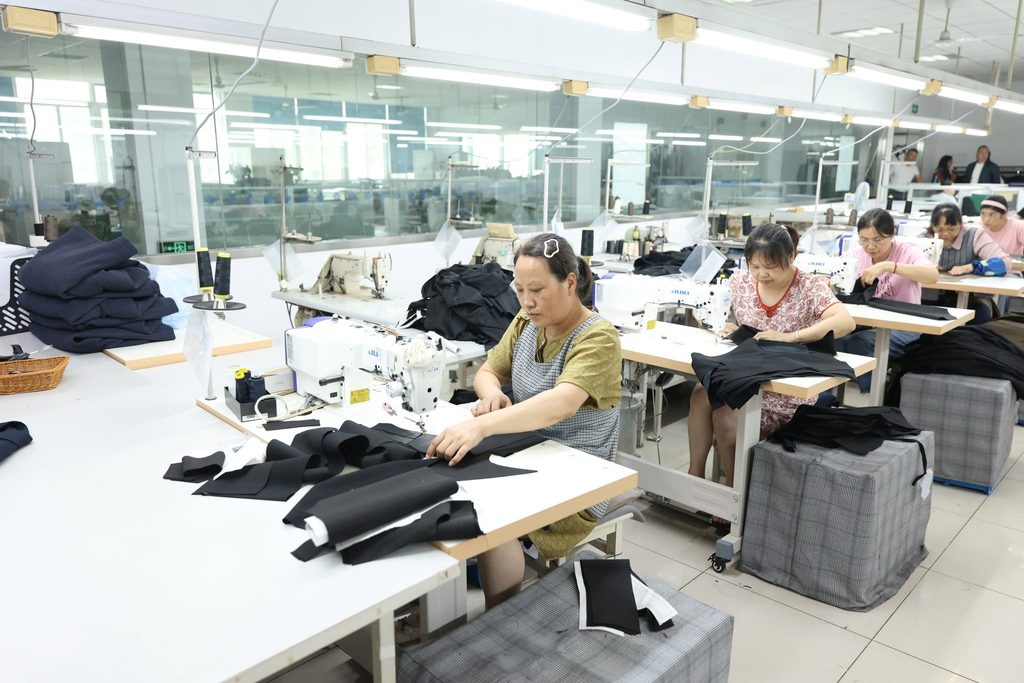
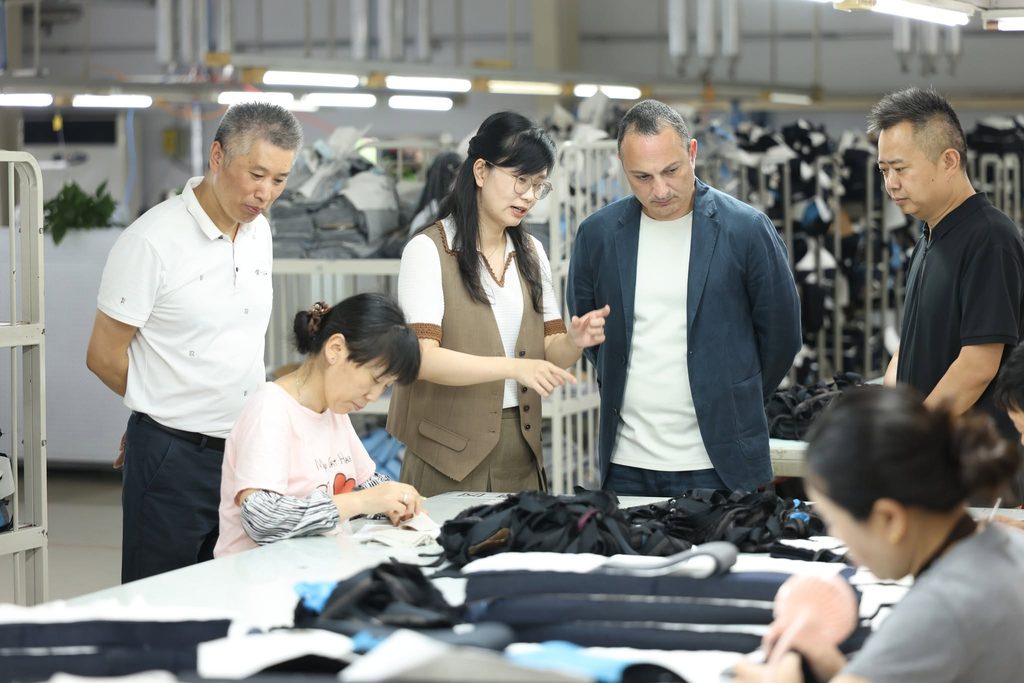
In June, the Ministry of Education of Georgia announced a contract with Glory Textile Industry to manufacture 1.8 million school uniform items. It later emerged that Glory Textile Industry had contracted a Chinese manufacturer to fulfill the order.
Although Minister Givi Mikanadze assured the public that all models had passed laboratory tests confirming fabric safety, wear resistance, and compliance with established specifications, the news of production being outsourced to China immediately triggered a wave of public debate on social media, with many users voicing concerns over potential poor quality.
Teona, the mother of a sixth-grader from Tbilisi’s Saburtalo district, supports the idea of standard uniforms in principle, but shares parents’ concerns about their quality. Her daughter has just entered the sixth grade, yet uniforms for sixth-graders are slated for introduction only in the second semester. As a result, the family will be purchasing a set for essentially just a few months of wear. By seventh grade, an entirely new outfit will be required.
“I have to buy a uniform for half a year. And it’s a uniform made of very poor material, poorly stitched. I’ve seen it in person and have no idea what to do with it once my child moves on to the seventh grade. In other words, I will be paying money for four months of my child wearing synthetic fabric.”
Teona is particularly concerned about the fabric’s composition. Because children’s skin becomes more sensitive during transitional ages, she prefers natural, breathable materials for her daughter’s everyday clothes. The prospect of her child spending entire school days in synthetic garments is deeply unsettling to her.
Revaz Apkhazava, an education researcher and education policy expert, considers the introduction of mandatory school uniforms a secondary issue that authorities are paying far more attention to than it deserves.
“Uniforms do nothing to foster educational equality while creating an additional financial burden for families that are already struggling to provide their children with a quality education,” Apkhazava explains.
11 Grades Instead of 12
Another major change in Georgia’s education sector affects the overall duration of school schooling. Prior to the reform, primary education covered grades 1–6, basic education covered grades 7–10, and secondary education covered grades 11–12. Under the new model, basic education is reduced to three years, covering grades 7–9, secondary education will encompass grades 10–11, and the 12th grade becomes optional. In effect, the mandatory general education cycle is being reduced to 11 grades.
The transition to the new system will take place in phases. The three-year basic education level comes into force in the 2026/27 academic year, while the new secondary school model is slated to become fully operational in 2027/28. For students who started under the old system and find themselves caught between the two frameworks, authorities have introduced special transitional provisions.
At the same time, the optional 12th grade is not disappearing entirely. It is expected to be organized based on preliminary student enrollment, allowing schools to anticipate staffing requirements and allocate resources in advance. However, published guidelines do not yet guarantee that an optional 12th-grade class will be opened in every school. Nor is there a clear mechanism for instances where only a handful of students wish to continue their studies.
Revaz Apkhazava takes a particularly critical view of the move to the “11+1” model. In his assessment, if the 11th grade essentially turns into an intensive prep period for university entrance exams, the comprehensive educational cycle could shrink even further.
The expert argues that this approach distances the Georgian system from European educational models rather than bringing it closer, potentially throwing up additional hurdles for graduates who wish to pursue international education.
Moving away from a 12-year school cycle could indeed have a tangible impact on graduates planning to study abroad. An 11-year school education does not in itself mean that a Georgian diploma will not be recognized in European Union member states: there is no single, automatic mechanism for secondary diploma recognition across the EU, with specific criteria established by individual countries and universities. However, the difference in the duration of secondary schooling may be factored into admissions, and in certain cases, graduates of shorter programs might face requirements for supplementary preparatory coursework or other university-specific prerequisites.
Simultaneously, the state plans to redefine the role of upper secondary school. The 11th grade is intended to accommodate a so-called “repetitorium” — in-school preparation for the Unified National Examinations. This effectively represents an effort to reintegrate within the state school system the exam preparation that high schoolers currently seek out through private tutors.
Changes to Grading
The 10-point grading system is being retained, but grades are now explicitly categorized into performance levels. Scores of 9 and 10 represent an advanced level, 7 and 8 are considered above average, 5 and 6 fall into the average tier, while marks from 1 to 4 are classified as low.
The revamped framework stipulates that grading should reflect not merely an end-point number, but also the specific knowledge and competencies attained by the student. Educational quality assessment will be evaluated on three levels simultaneously: within the classroom, at the institutional school level, and across the education system as a whole.
The most profound shift affects primary education. In grades 1 through 4, as well as the first semester of grade 5, teachers will rely exclusively on formative assessment. Instead of standard numerical marks, pupils will receive descriptive teacher feedback highlighting achievements and areas requiring further work.
Across the entire primary level — grades 1 to 4 — homework assignments will no longer receive letter or numerical grades. While homework remains part of the process, it is intended primarily as an instructional learning tool rather than a mechanism for grading.
A Single Standard Textbook
The education reform spearheaded by the ruling Georgian Dream party also reshapes the textbook landscape. The state is phasing out the system under which multiple approved textbooks by various authors and publishers could be used for the same subject.
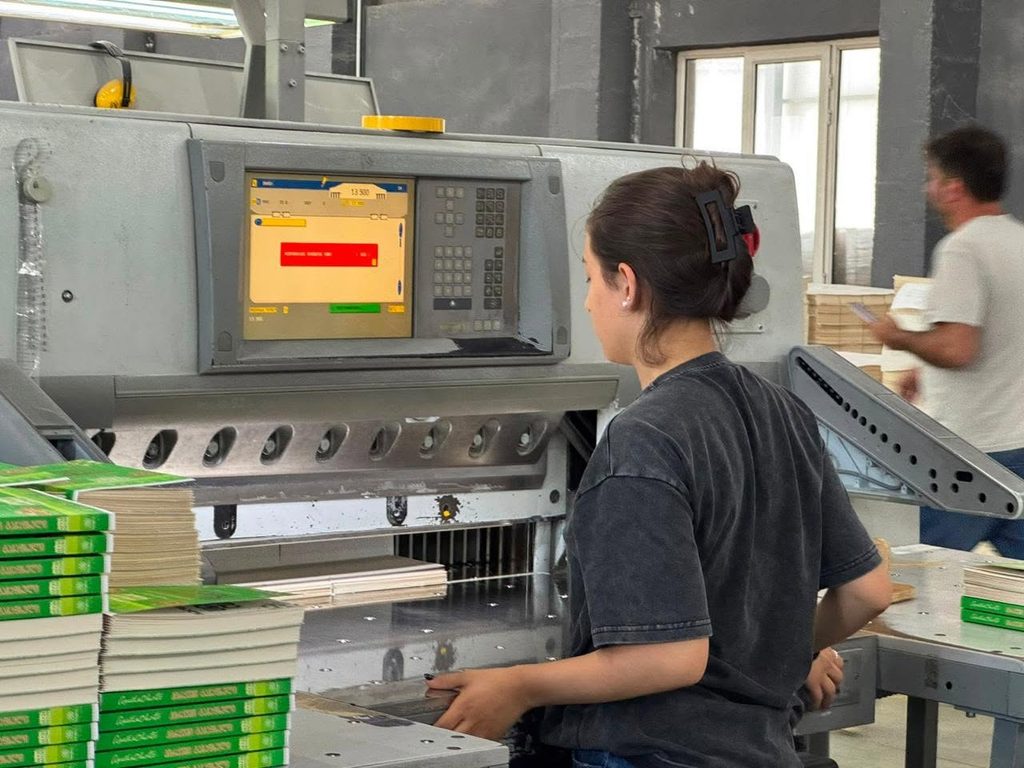
Under the incoming system, schools will transition to a single standardized textbook for each specific subject and grade level. This model is expected to be fully established by the 2028/29 school year. In the meantime, a transition period remains in effect. Schools will be permitted to use materials developed by the Ministry of Education, previously approved textbooks, or other supplementary materials aligned with ministry guidelines and new national standards.
Consequently, over the next two academic years, schools will effectively operate across multiple systems: some classes will adopt the new curriculum materials, while others will continue using older editions.
As for the new textbooks, authoring teams assembled by the ministry are currently drafting them. According to Givi Mikanadze, the ministry reviewed existing textbooks and selected experts based on subject matter expertise, pedagogical track records, and reviews of existing materials. Working groups also feature representatives from professional associations, universities, educational psychologists, and practicing classroom teachers.
The ministry has pledged not to approve new books without prior classroom testing. Mikanadze stated that textbooks introduced in schools starting September 15 will undergo pilot testing involving teachers and parents, followed by revisions based on their feedback.
Teona, the sixth-grader’s mother, takes no issue with the concept of a unified curriculum, but harbors concerns regarding how textbooks will be vetted and selected. She finds the subject of history to be particularly sensitive.
“Who is evaluating these textbooks for quality? Will there be an independent review panel? Will textbooks be chosen through personal connections or on merit? Will the feedback of qualified experts be taken into account during compilation?” she asks, listing her main concerns.
Phones
Starting with the 2026/27 academic year, Georgia is rolling out an additional rule regulating the use of mobile devices on school grounds. Uniform regulations are taking effect for electronic communication devices, applying to smartphones as well as smartwatches.
Restrictions on mobile phone usage, by contrast, enjoy Teona’s support. At her daughter’s school, children leave their devices in designated lockers at the start of the day and collect them after classes conclude. Should an urgent need arise to reach a child during the school day, parents can do so through the classroom teacher.
Ahead of the academic year, public schools were required to install dedicated storage units for personal electronics and formalize device policies in their internal codes of conduct. Technical specifications were established even for the storage units themselves: they must guarantee device security and accommodate phones with protective cases.
By September 1, public schools were required to purchase and install storage lockers for phones and smartwatches. In late August, Minister Mikanadze reported that, according to his ministry’s data, schools had already procured the requisite number of storage units. Schools handled the procurement and placement of the lockers independently.
What Else Is Changing in Schools
Specific changes also apply to schools and educational organizations in Georgia that offer curricula accredited abroad.
Such institutions will now need to undergo a state authorization process. For providers already delivering international programs when the legislative amendments passed, a transitional period is provided: institutions must first file an application, then secure formal authorization within the deadlines set by law.
Beyond the headline-grabbing changes, the reform alters the broader instructional approach. The updated National Curriculum places greater emphasis on the practical application of knowledge, critical thinking, and student autonomy. Term assessments are expected to rely more heavily on projects, research tasks, essays, and comprehensive assignments, rather than simply measuring a pupil’s ability to recall memorized material.
Schools are also explicitly mandated to intervene when pupils fall behind. If a student’s annual grade in a subject drops below five points, the school must offer a remedial curriculum ahead of autumn makeup exams, and, where necessary, provide tailored support before the school year concludes.
The range of elective courses is also expanding. Newly introduced subjects include media literacy, financial literacy, artificial intelligence, coding, robotics, basic economics, and entrepreneurship. English will become mandatory starting in the second grade, with a second foreign language introduced in the fifth grade.
In underpopulated rural schools with low student numbers, authorities will permit combined classrooms if a grade has only one or two pupils enrolled. At the same time, teacher qualification requirements are evolving: avenues to earn teaching credentials are being broadened for specialists with technical and vocational backgrounds, while school staff dismissed for acts of violence against students will face a three-year ban from working in general education.
Taken together, these changes illustrate the overarching thrust of the reform: the state is attempting to build an education system that is more vocationally oriented, standardized, and centralized. However, critics see significant shortcomings. According to Revaz Apkhazava, the new National Curriculum was rolled out without substantive consultation with educators, professional associations, or subject-matter specialists.
The researcher, for instance, views the reduction of classroom hours dedicated to world history and physics as a misstep. In his view, cutting back on natural sciences is especially concerning given the persistently poor STEM performance among Georgian schoolchildren, as reflected in national examination outcomes.
The priorities of the reform, Apkhazava argues, fail to address the most pressing issues in public schools. In his assessment, little meaningful progress has been made on providing school meals, ensuring competitive teacher salaries, or modernizing dilapidated infrastructure. In light of this, he describes some of the recent initiatives as superficial.
At the same time, the expert notes a pronounced trend toward greater centralization. In his view, the Ministry of Education is seeking tighter control over both the content and governance of schooling, while educational policy goals are increasingly subordinated to broader political agendas.
Chief among the current system’s failings, Apkhazava argues, is deep-seated inequality among students. Public schools, he contends, fail to offer equitable access to quality instruction, while internal educational resources remain unevenly distributed. The latest policies championed by the Ministry of Education, in his assessment, fail to tackle the root causes of these systemic disparities.
For parents, the primary concern is not merely the sheer volume of changes, but how they will work in practice. Teona, the sixth-grader’s mother, says that while she does not view the reform as a threat that would fundamentally alter her stance on public schooling, specific policy decisions do raise doubts. Authorities are prioritizing peripheral issues over those felt most acutely by families, she argues. For Teona, the issue comes down to priorities:
“Instead of all this, it would have been far better to introduce free school meals, at least for primary grades, or at least a co-funded meal program. Because child hunger in our country is a far more pressing problem than uniforms, phone lockers, textbooks, and the like.”